Blog Le Monde Diplomatique
Yemen does not seem to be the first place you think to go in search of safety or a better life: extreme poverty, tribal rebels uprisings, armed conflicts persist, infested seas Pirates ... Yet each year tens of thousands of refugees arriving from the Horn of Africa with the hope of escape war, persecution, famine and drought.
William Spindler spokesman for the UN High Commissioner for Refugees (UNHCR) in France. The
photojournalism is Rocco Nuri.
Sea Watch
In the first nine months of 2010, more than 36 000 migrants and refugees have begun the perilous crossing of the Red Sea and Gulf of Aden. Many of them have lost their lives. Far from the eyes of the world and cameras, this human tragedy is being played for years. In silence.
-
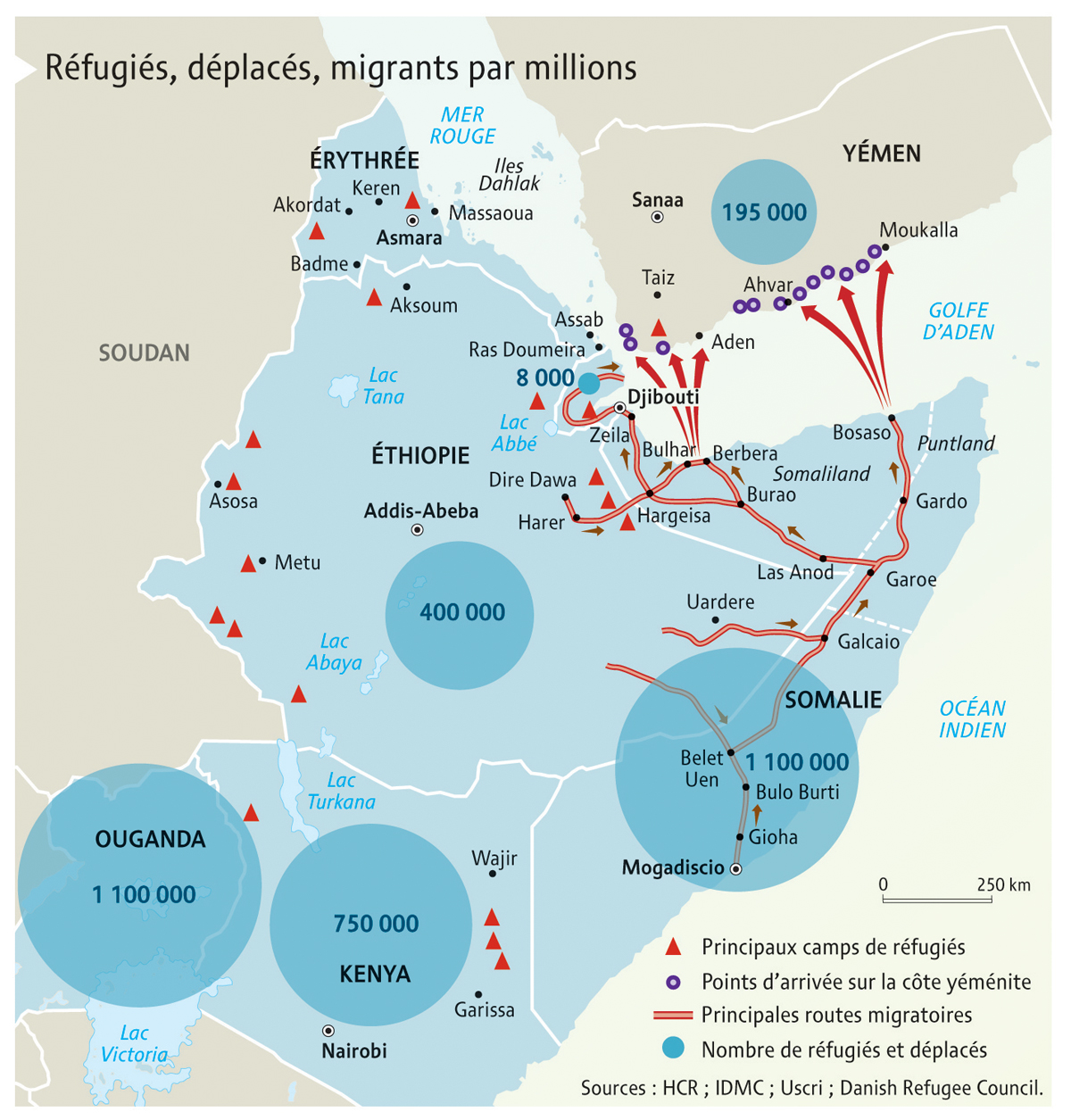
- Horn of Africa: migration paths
- Cartography: Philippe Rekacewicz (Atlas 2009 Monde Diplomatique)
On 17 September 2010, two Somalis, one of which was five months pregnant, drowned off the coast of Yemen, while the smugglers landed in deep water, in total darkness, the 55 passengers a boat part of a village east of Bossaso in northern Somalia. They sailed through rough seas for more than 40 hours before reaching Bir Ali, 500 km east of Aden in Yemen. Fifty-two people managed to reach shore. The bodies of two women were found and buried in the vicinity of Bir Ali. The body of the third person, not identified, was never found. The same week, an Ethiopian was beaten to death by smugglers in a boat carrying 105 African migrants. The man was trapped in the engine room traffickers have begged to give him water. His body was thrown overboard. Two examples among hundreds of crossings ... The United Nations High Commissioner for Refugees (UNHCR) operates a camp in Yemen, where 12,650 people gather and collect, day after day, the testimony of the most appalling conditions on the crossings and cruel smugglers.
In the heat of August, in Bab al-Mandab, a small village at the entrance to the Red Sea (about 190 miles west of Aden), two young Yemenis are working in a small office next to a gas station. These are the premises of the Danish Refugee Council (DRC). Their mission is to patrol the coast looking for recently arrived migrants from Africa. "Alas, we arrived too late and we find them dead, they lament . Between June and August 2010, more than 40 corpses were discovered by the people or the authorities there and around the village of Bab el-Mandab. "
They work in symbiosis with a broad network of contacts (police, army, coast guards, but also local civil society), and in close liaison with UNHCR and the Yemeni Red Crescent, which provides first aid, water and energy bars to newcomers. "On average, at least three boats dock daily they say, and some time ago, we even counted eight in one day! This means that between 250 and 300 people arrive each day (or come to swim) on the Yemeni coast.
Although the security and humanitarian situation in Somalia deteriorates, the number of arrivals from Somalia to Yemen has a steep decline. According to newly arrived refugees, it is becoming increasingly dangerous and difficult to flee Somalia. Many displaced civilians are literally trapped inside the country. There are a dozen checkpoints on the road between Mogadishu and the port of Bossaso, obliged by various militias and armed groups. This explains that in 2010 only 10% of new arrivals came from Somalia, Ethiopia all the other ".
Migrants make a long journey, if physically demanding, exhausting if they get very weak and in very poor health. "Last week, they continue, ten Ethiopians died of dehydration and disease after their arrival ". UNHCR has established procedures for registration, identification and burial of bodies. The Yemeni Red Crescent, in coordination with local authorities, identifies the body and delivers medical reports concerning the cause of death. Most are buried around Bab al-Mandab.
-
- Three decades of famine and conflict
- Cartography: Dr. R. (Atlas 2009 Le Monde diplomatique)

In the refugee camp of Al Kharaz, about 40 km west Bab al-Mandab, a refugee Ethiopian arrived the day before walking slowly through the aisles, haggard. "I crossed the desert for two days from the Ethiopian border, says he then I was held up by smugglers in an isolated place near the port in Djibouti Obock, with hundreds other refugees: they were men, women and children. There was no food or drinking water. The smugglers we were selling bottled water at exorbitant prices. Those who could not pay had to drink contaminated water and salt pits, next. Some fell ill and died. Then we finally took a boat. "
" I think there are more than 1 000 Ethiopians and 300 Somalis Obock he says; they expect to reach Yemen. Every day, four or five people die of hunger or diarrhea. Doctor Medical Clinic Al Kharaz says that in three days, they admitted 26 Ethiopians suffering from severe gastroenteritis.
There are some 12,000 Somalis and 650 Ethiopian refugees living in Al Kharaz camp, some of them for over ten years. The new refugees receive care, food and water, and then are stored - at first - for a period of three months. Even if they receive free housing, food, access to education and care, few of them remain in camp, Al Kharaz is a sad and isolated place. Those who may prefer to live elsewhere in Aden or Sana'a and fend for themselves. "We know that life is very hard here, Yemen, and it is difficult to find a job, said a young Somali . But it's still better than Somalia. "
Yemen, one of the poorest countries in the world, is quite hospitable to refugees and asylum seekers, since it affords protection to 233,000 Somali refugees, while Saudi Arabia and Kenya come to expel thousands. Faces many social problems, economic and security, Yemen would need the support of the international community, which for now remains deaf and dumb. UNHCR is facing a dramatic financial situation that threatens its operations in the country and will be forced to close some shelters if the situation does not improve quickly.
-
- war in Yemen
- Cartography: Dr. R. (Le Monde Diplomatique, September 2009)

Some of the refugees try to reach Saudi Arabia for employment as a laborer or servant. "If you have money, the smugglers take you to drive in Saudi Arabia after arrival, a migrant Ethiopian says. Otherwise, you must walk to the border. "The road to Saudi Arabia is made dangerous and uncertain not only because of the conflict underway in the north, but also because they may fall into the hands of traffickers who sell them as sex slaves or forced laborers. And these networks are highly organized. Sometimes - too often - that these traffickers are arrested, tried and convicted. 25 September 2010, two Yemenis and an Ethiopian national has been sentenced to ten years imprisonment for selling a young Somali refugee from 16 years to traffickers to serve as sex slave in a brothel in Saudi Arabia. The girl, found in Riyadh and returned to Mogadishu, is in good health and joined Europe with his mother.
Most victims of this deadly traffic are not so lucky: The UN estimated 12.3 million people worldwide victims of human trafficking. Buying and selling of human beings for exploitation is, with arms trafficking, the second largest criminal industry in the world and has the fastest growth.
Photographic
-
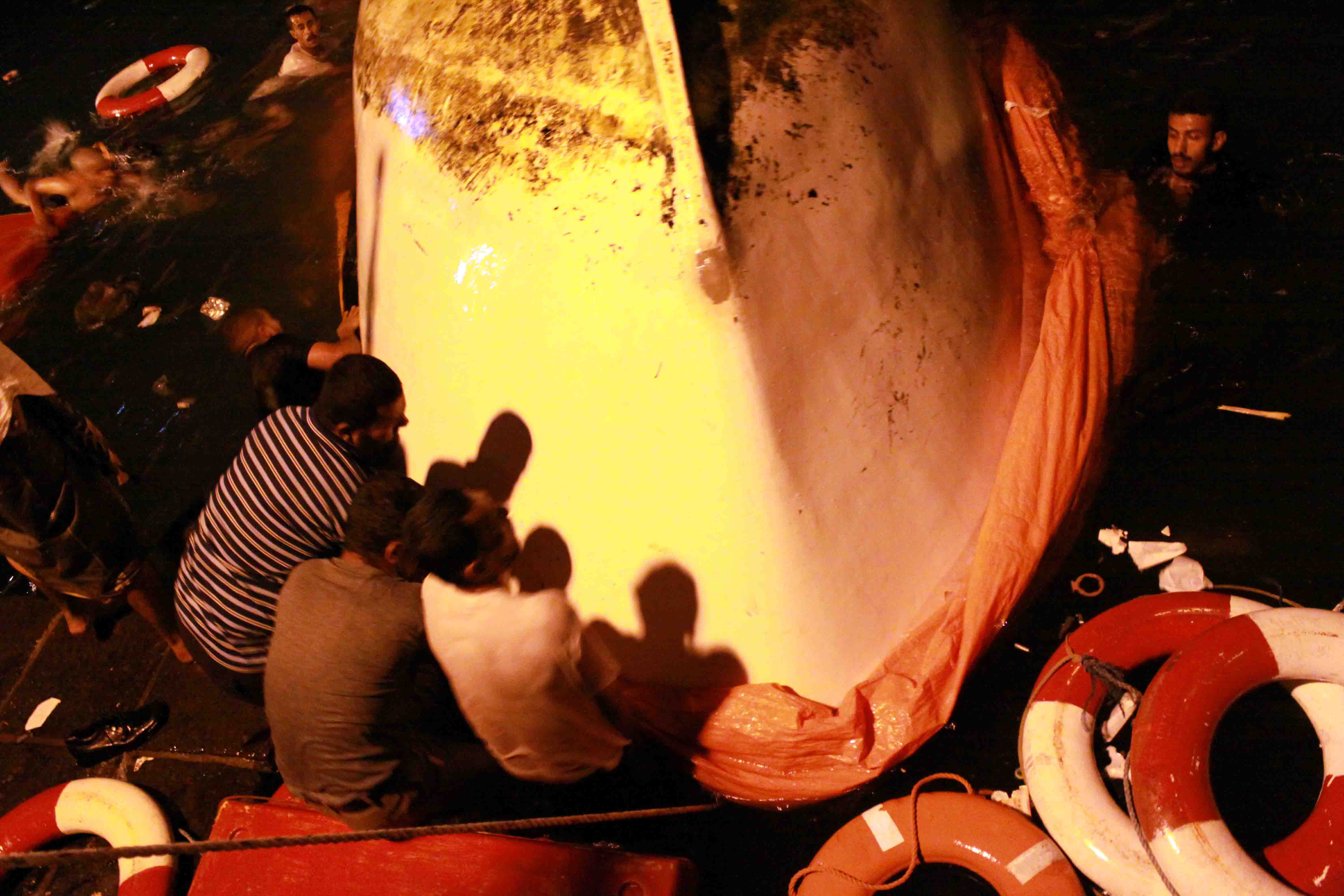
- Operation Rescue Yemeni coastguard near the port of Aden
- Photo: © Rocco Nuri / UNHCR
-
- Newcomers in the port of Aden
- Photo: © Rocco Nuri / UNHCR

-
- Newcomers, waiting to be registered at the entrance to the refugee camp Mayfaa
- Photo: © Rocco Nuri / UNHCR

-
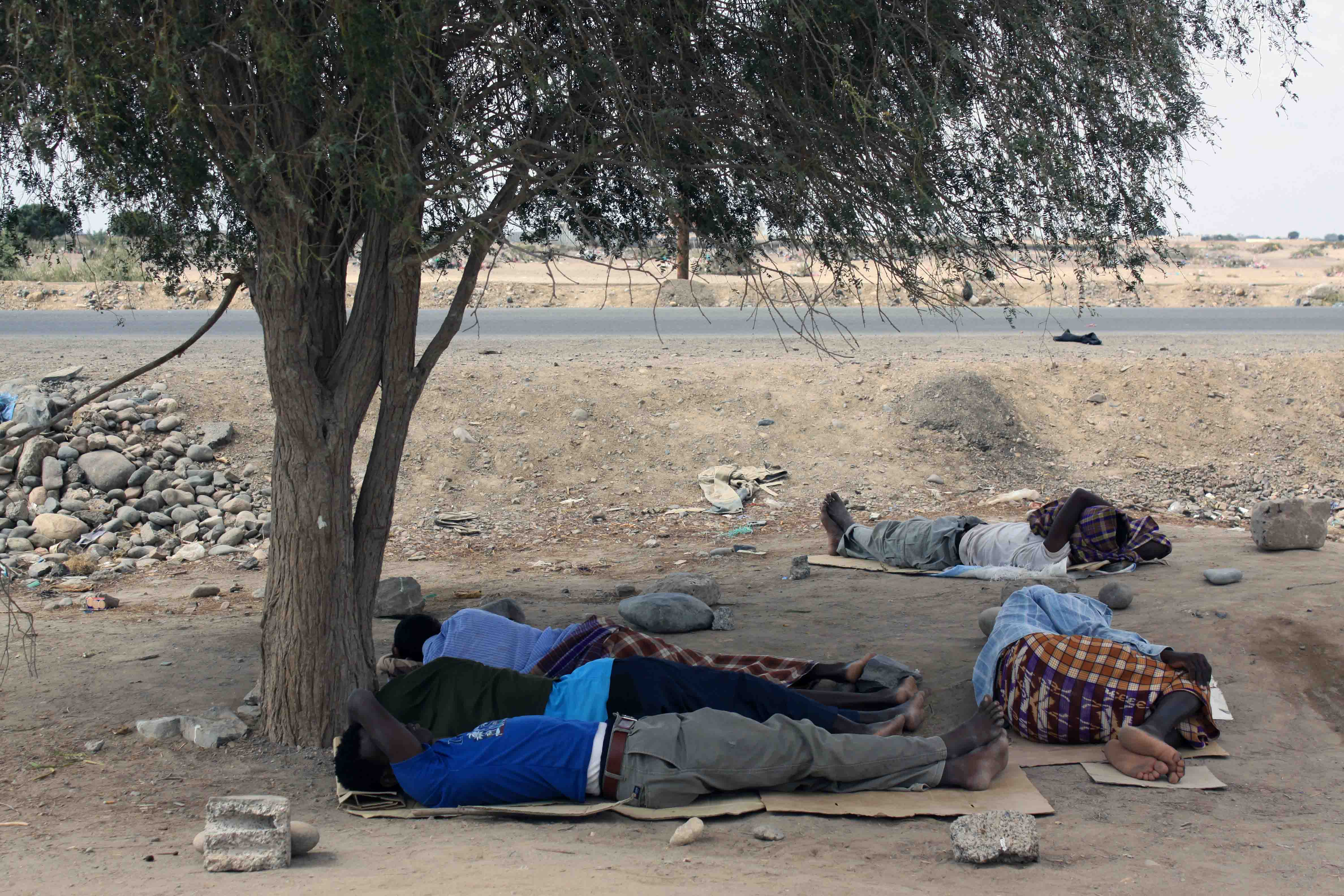
- Newcomers homeless in Basateen slum (near Aden)
- Photo : © Rocco Nuri / UNHCR
-
- refugee camp of Al Kharaz (Lahaz region, 180 kilometers west of Aden)
- Photo: © Rocco Nuri / UNHCR

-
- Zone newcomers to the refugee camp of Al Kharaz
- Photo: © Rocco Nuri / UNHCR

-
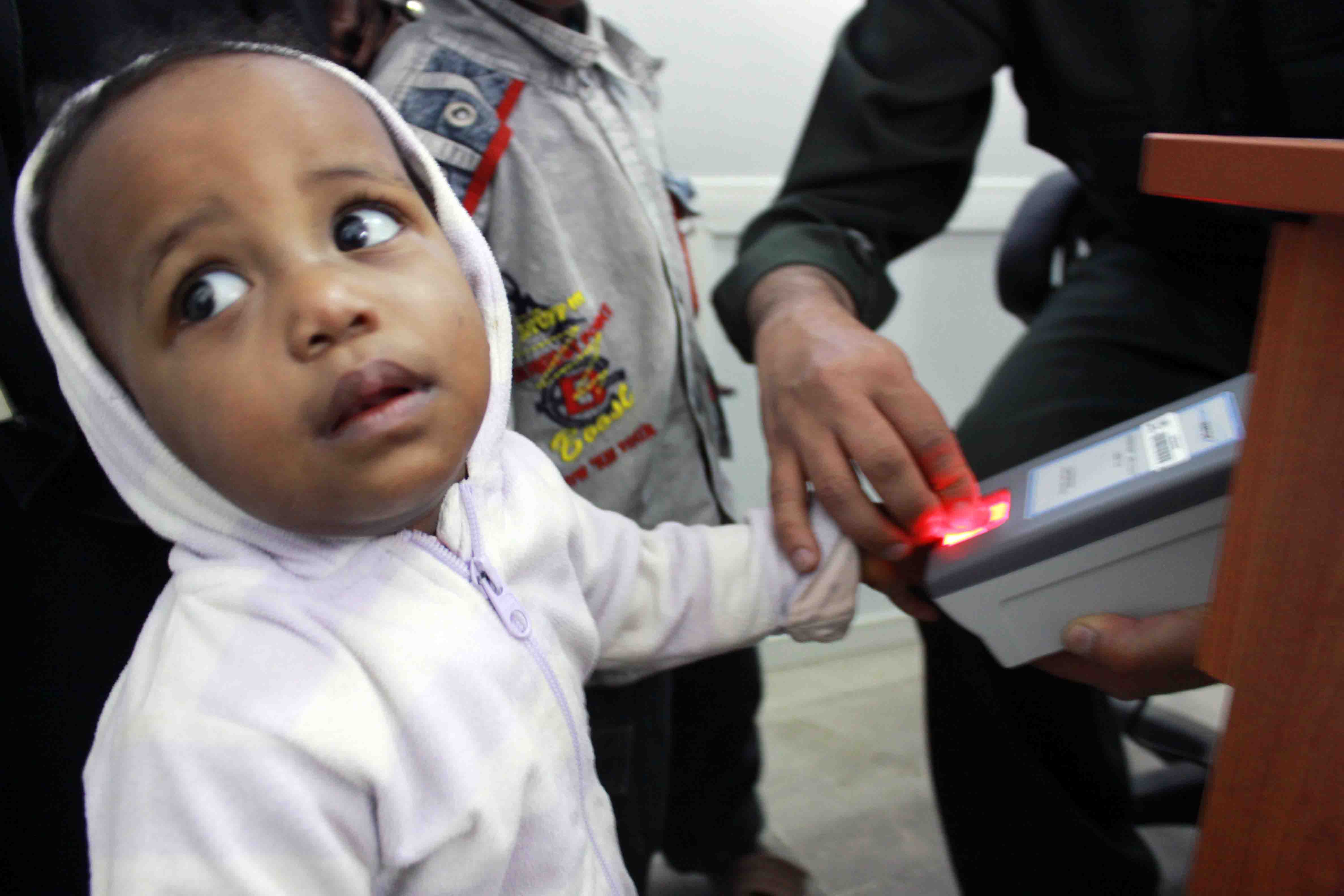
- Summary of biometric data to the registration center Sanaa
- Photo: © Rocco Nuri / UNHCR

-
- Summary of biometric data to the registration center in Sanaa
- Photo: © Rocco Nuri / UNHCR
-
- Children in slum Basateen
- Photo : © Rocco Nuri / UNHCR

-
- The Basateen slum near Aden
- Photo: © Rocco Nuri / UNHCR

-
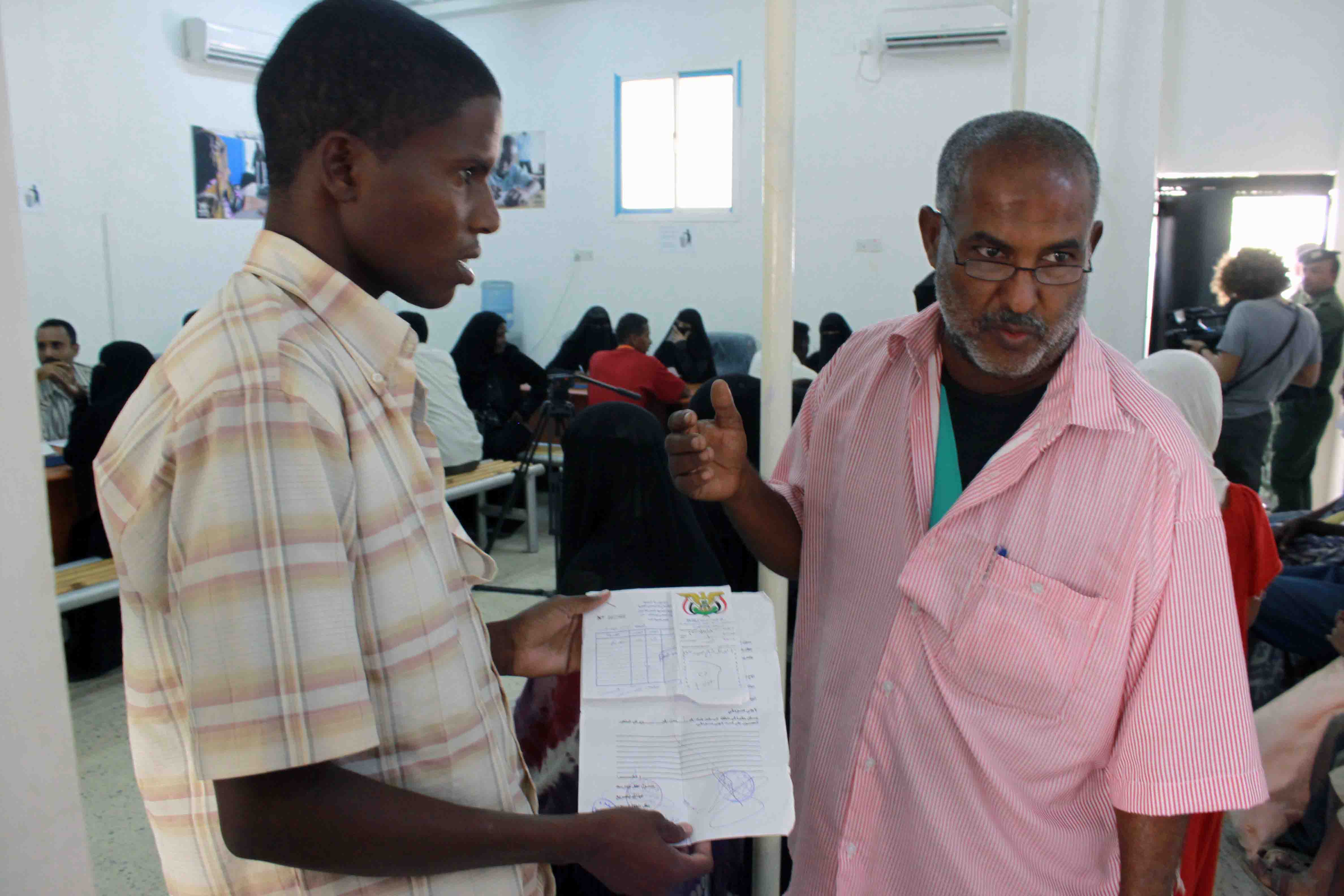
- Registry Government new arrivals Basateen
- Photo: © Rocco Nuri / UNHCR
-
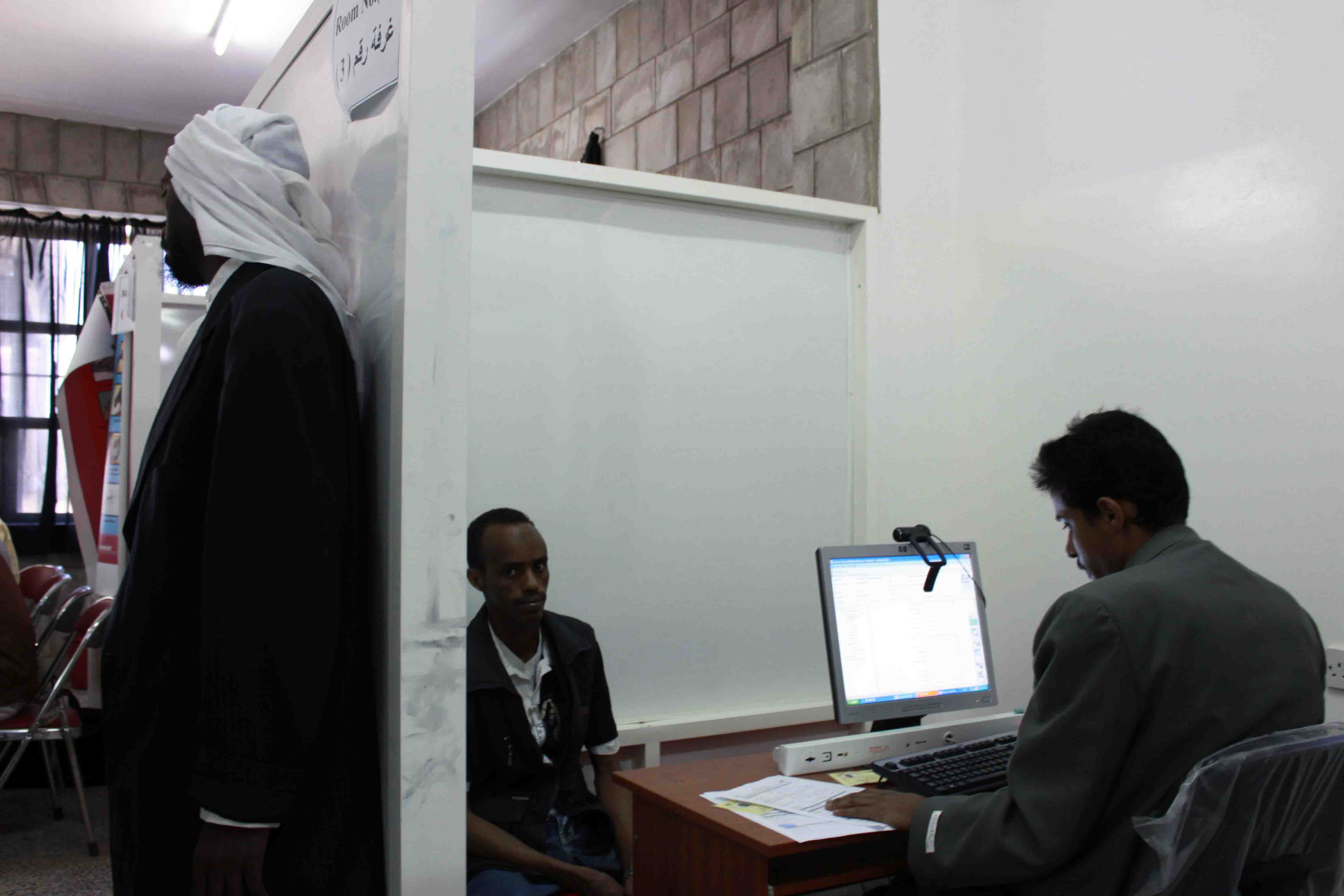
- Registration Centre in Sanaa government
- Photo: © Rocco Nuri / UNHCR
-
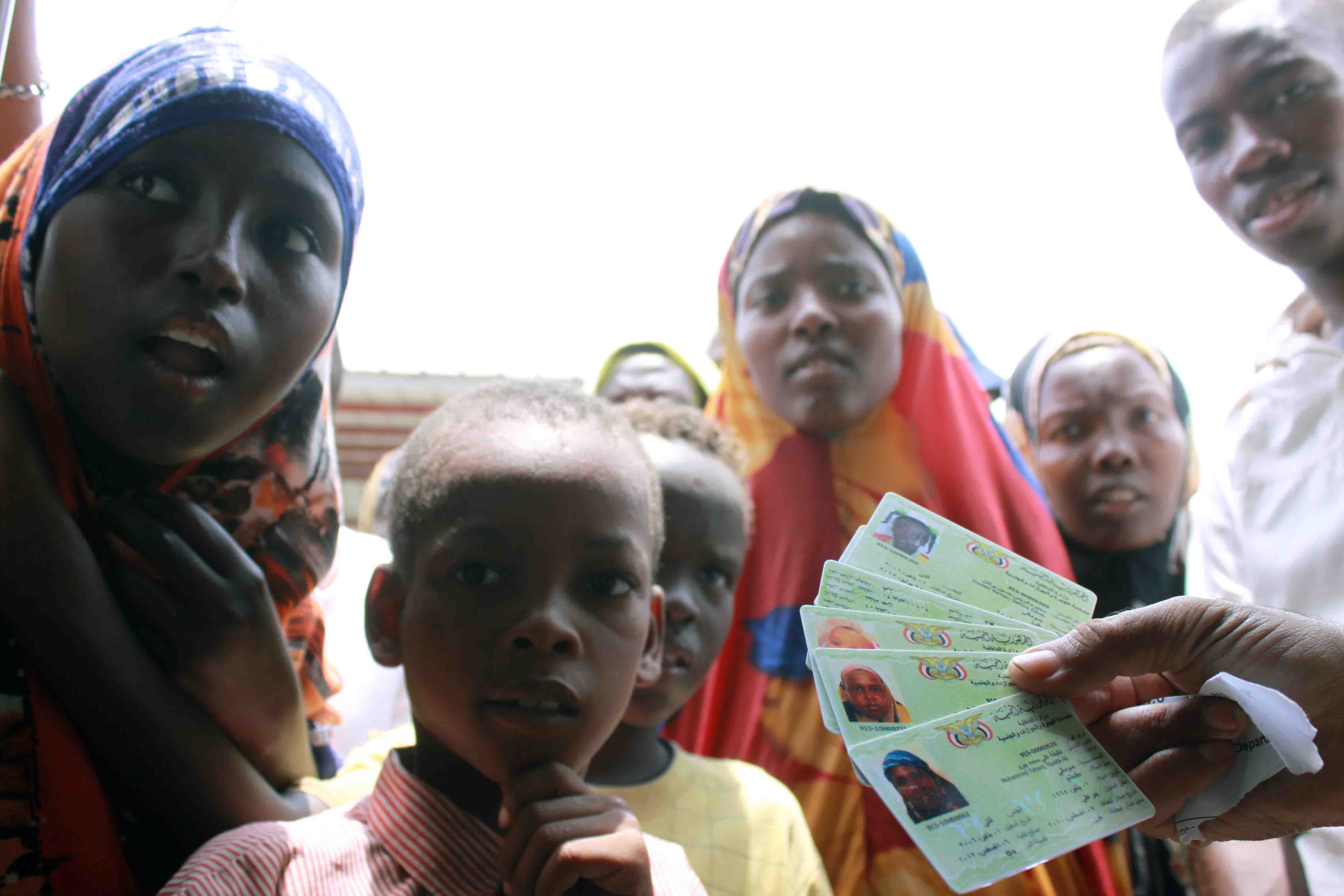
- Maps identity for Refugees
- Photo: © Rocco Nuri / UNHCR
-
- Newcomers transferred to the Bab el Mandab refugee camp of Al Kharaz
- Photo: © Rocco Nuri / UNHCR

-
- In search of drinking water
- Photo: © Rocco Nuri / UNHCR

-
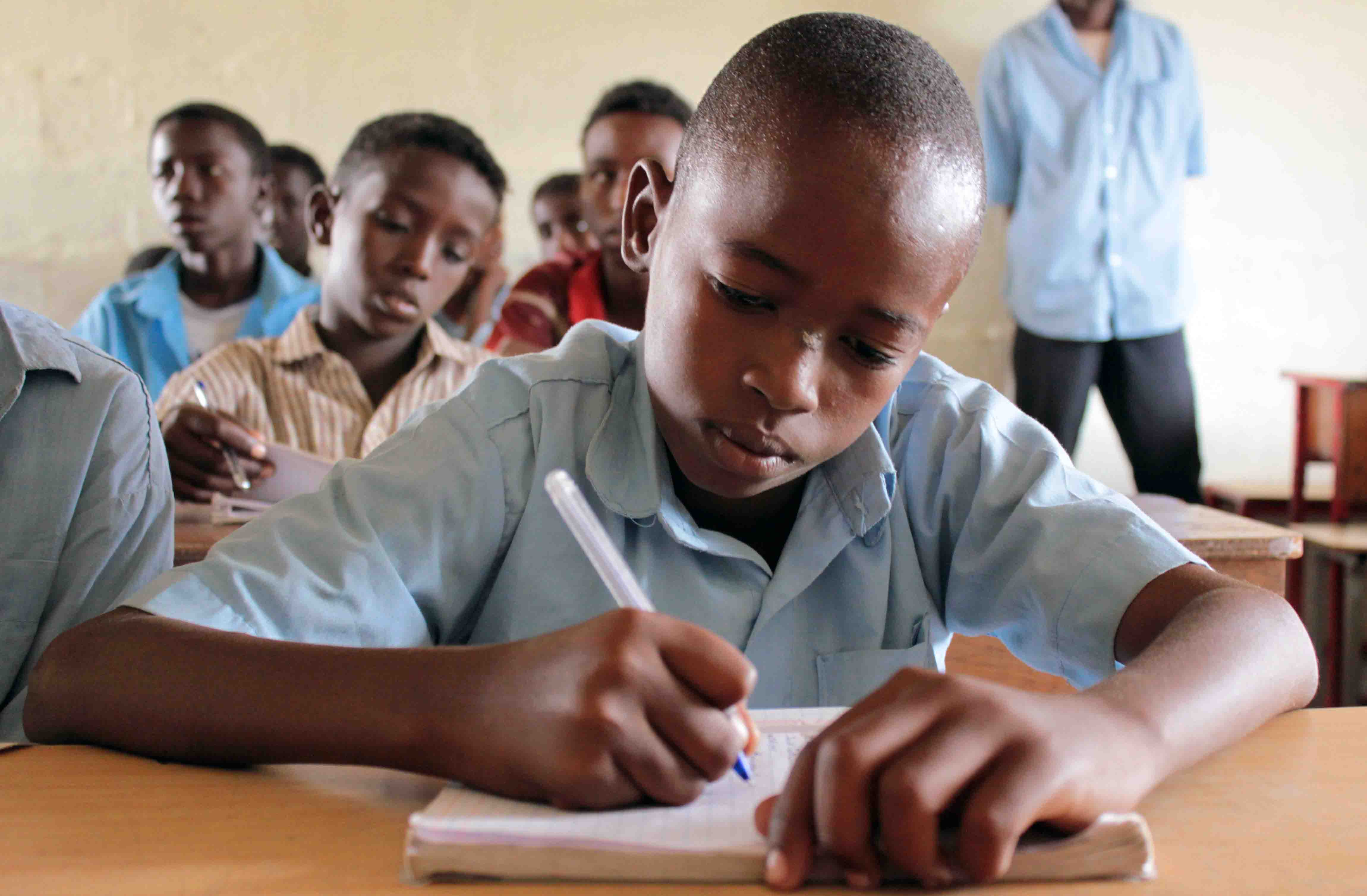
- Primary school in the refugee camp of Al Kharaz
- Photo: © Rocco Nuri / UNHCR
-
- Unaccompanied Camp Al Kharaz
- Photo: © Rocco Nuri / UNHCR

-
- Unaccompanied Camp Al Kharaz
- Picture: © Rocco Nuri / UNHCR

-
- Unaccompanied Camp Al Kharaz
- Photo: © Rocco Nuri / UNHCR
-
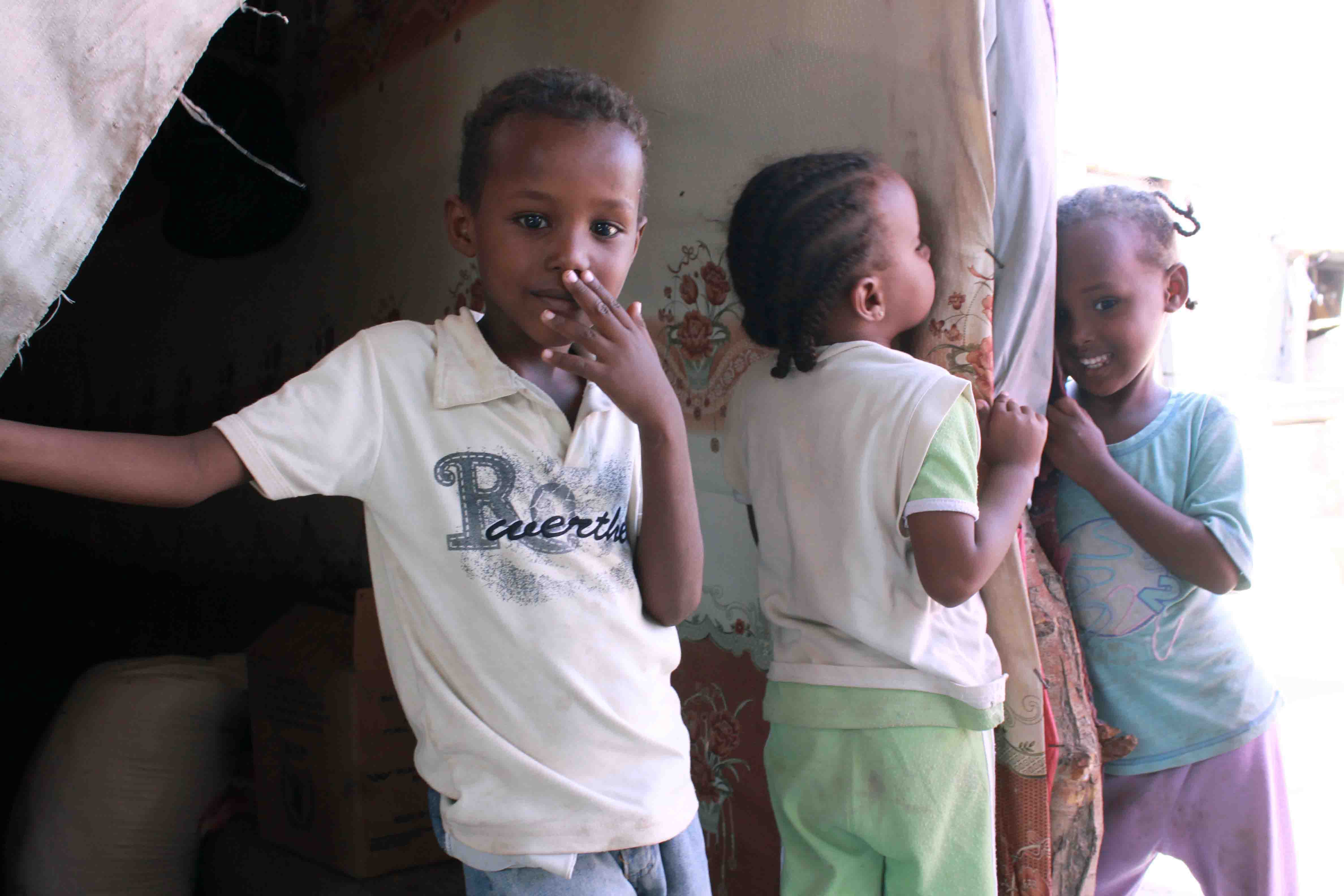
- Refugee Camp Al Kharaz
- Photo: © Rocco Nuri / UNHCR

-
- Kindergarten for refugees in Basateen (near Aden)
- Photo: © Rocco Nuri / UNHCR

-
- Garden refugee children in Basateen
- Photo: © Rocco Nuri / UNHCR
-
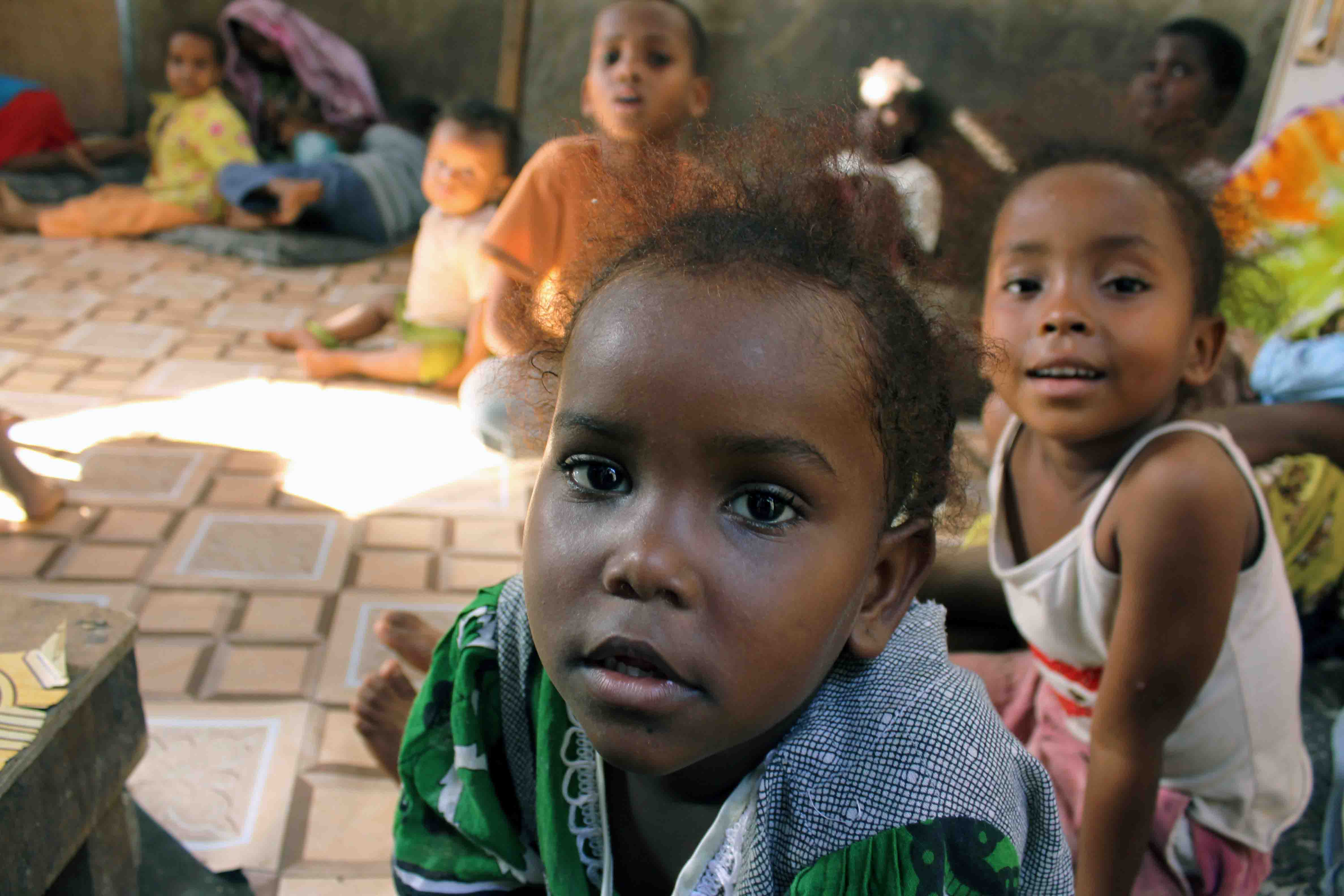
- Children in the refugee camp of Al Kharaz
- Photo: © Rocco Nuri / UNHCR

-
- workshop for vocational training for refugees in Basateen
- Photo: © Rocco Nuri / UNHCR

-
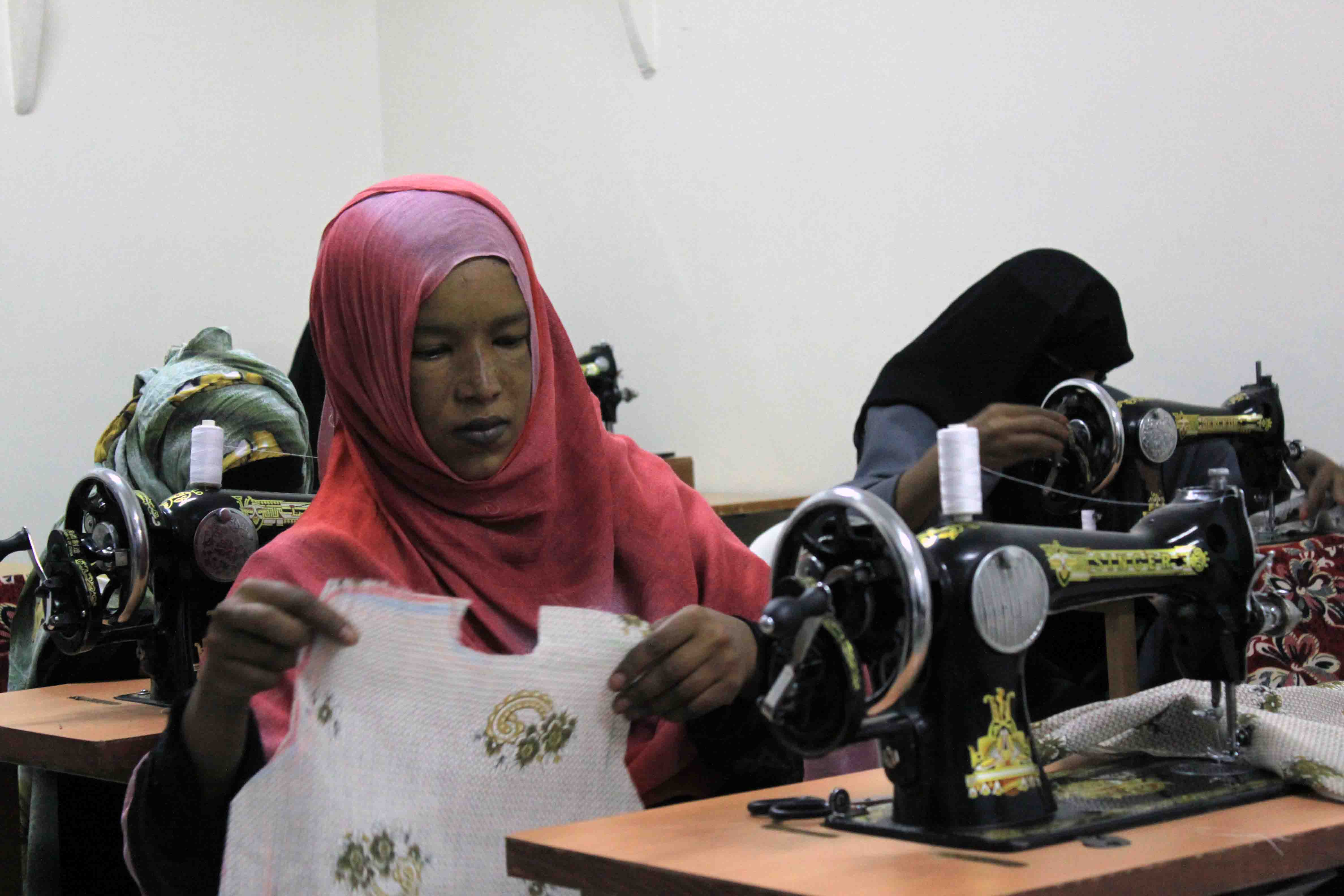
- workshop for vocational training for refugees in Sana'a
- Photo: © Rocco Nuri / UNHCR
-


0 comments:
Post a Comment